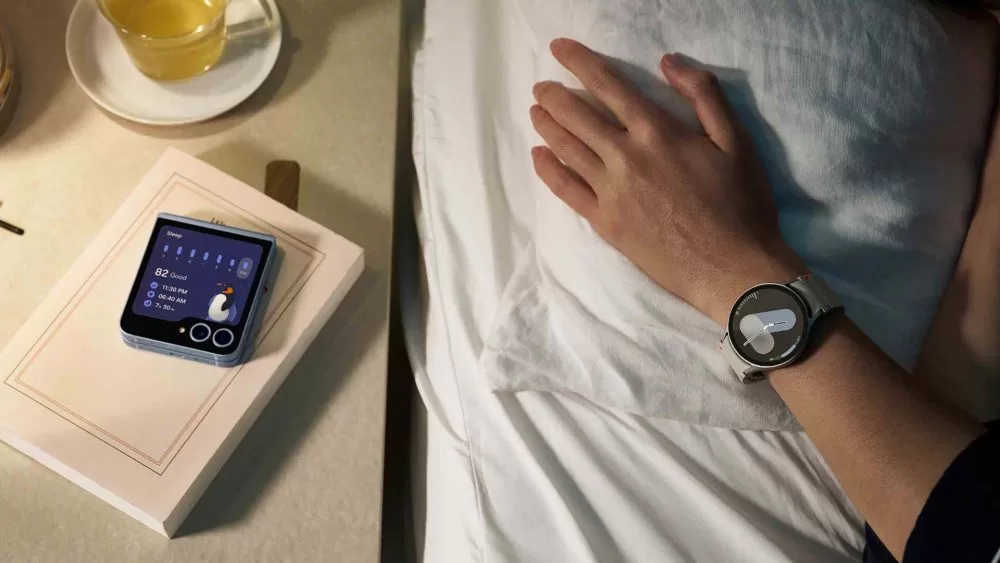
Samsung and the Massachusetts General Hospital (MGH) Diabetes Research Center (DRC) have launched a joint clinical study to investigate whether Galaxy Watch device can help GLP-1 medication users monitor and manage muscle loss during treatment.
The research targets a recognised side effect of GLP-1 therapy: loss of muscle mass alongside weight reduction. The study will enroll 100 adults beginning GLP-1 treatment, splitting them into two groups. The intervention group will use Galaxy Watch 8 to track body composition via Bioelectrical Impedance Analysis (BIA), monitor physical activity, and receive personalised exercise guidance. Results will be compared against a control group receiving standard clinical care.
Researchers will use DXA scans, the clinical standard for body composition analysis, to measure physiological changes in both groups over the course of the study.
Galaxy Watch 8’s BioActive Sensor, which integrates optical heart rate (PPG), electrical heart rate (ECG), and BIA tracking into a single chipset, underpins the biometric data collection for the study.
The study follows prior Samsung-MGH collaboration on Advanced Glycation End Products research, and sits alongside separate partnerships with Stanford Medicine on sleep apnea detection and Chung-Ang University Gwangmyeong Hospital on fainting prediction.
Leave a Reply